
Discover the Untouched Jewel of Jharkhand
Explore hidden basalt caverns, misty Rajmahal viewpoints, thermal springs, and the sacred homeland of the 1855 Santhal Hul rebellion — Pakur, Jharkhand.
Pakur Scenic Safari Route
Tour through the Rajmahal hills, river shallows, ancient cave sanctums, and tribal monuments.
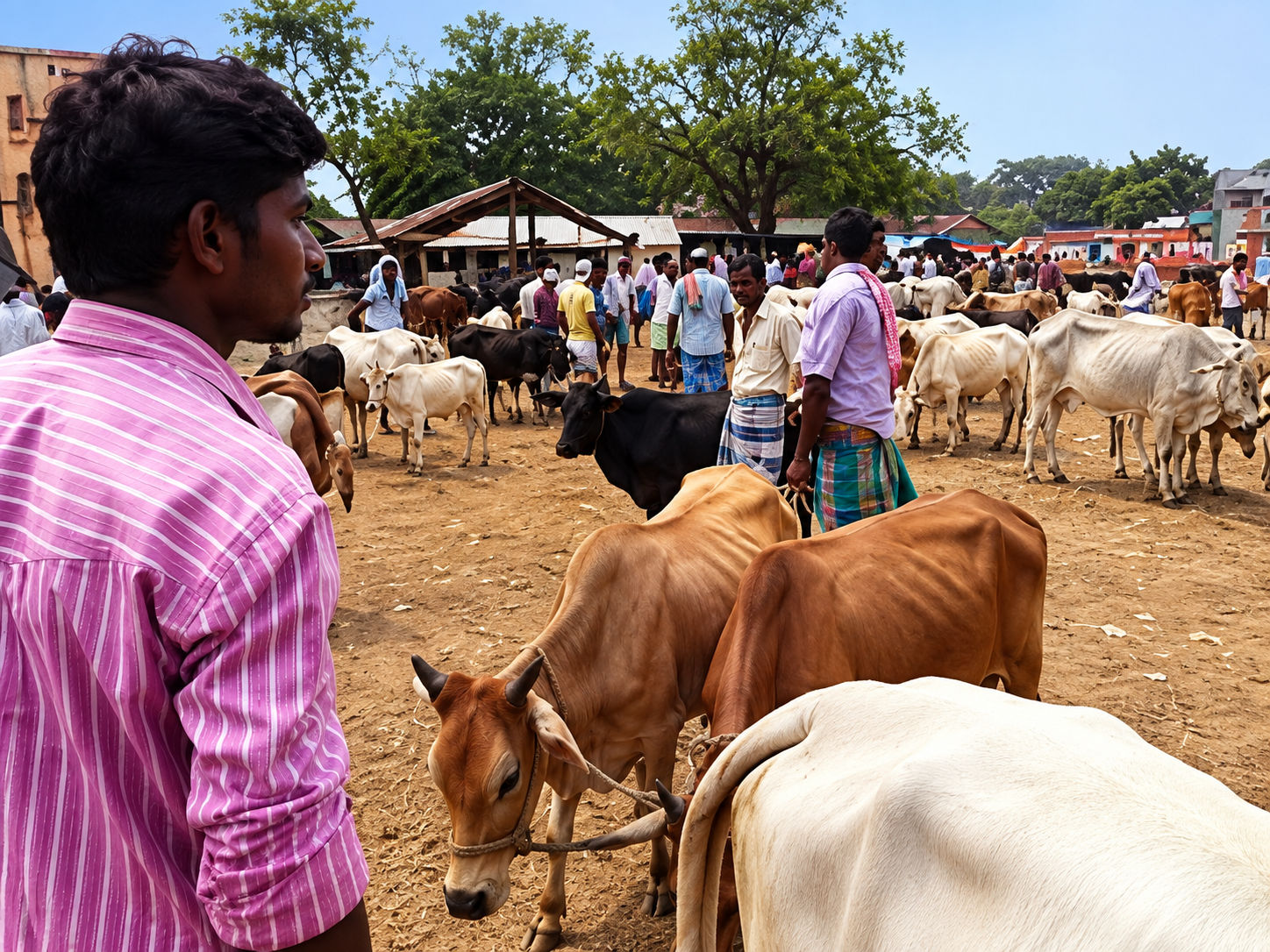
Hiranpur Cattle Market (Maweshi Haat)
Pakur’s largest weekly livestock fair, renowned across Santhal Pargana for large-scale cattle, buffalo, and draft animal trading every Thursday.
Explore Pakur's Hidden Gems
Must-Visit Destinations
Showing 6 of 8 handpicked landmarks.
Hiranpur Cattle Market (Maweshi Haat)
Pakur’s largest weekly livestock fair, renowned across Santhal Pargana for large-scale cattle, buffalo, and draft animal trading every Thursday.
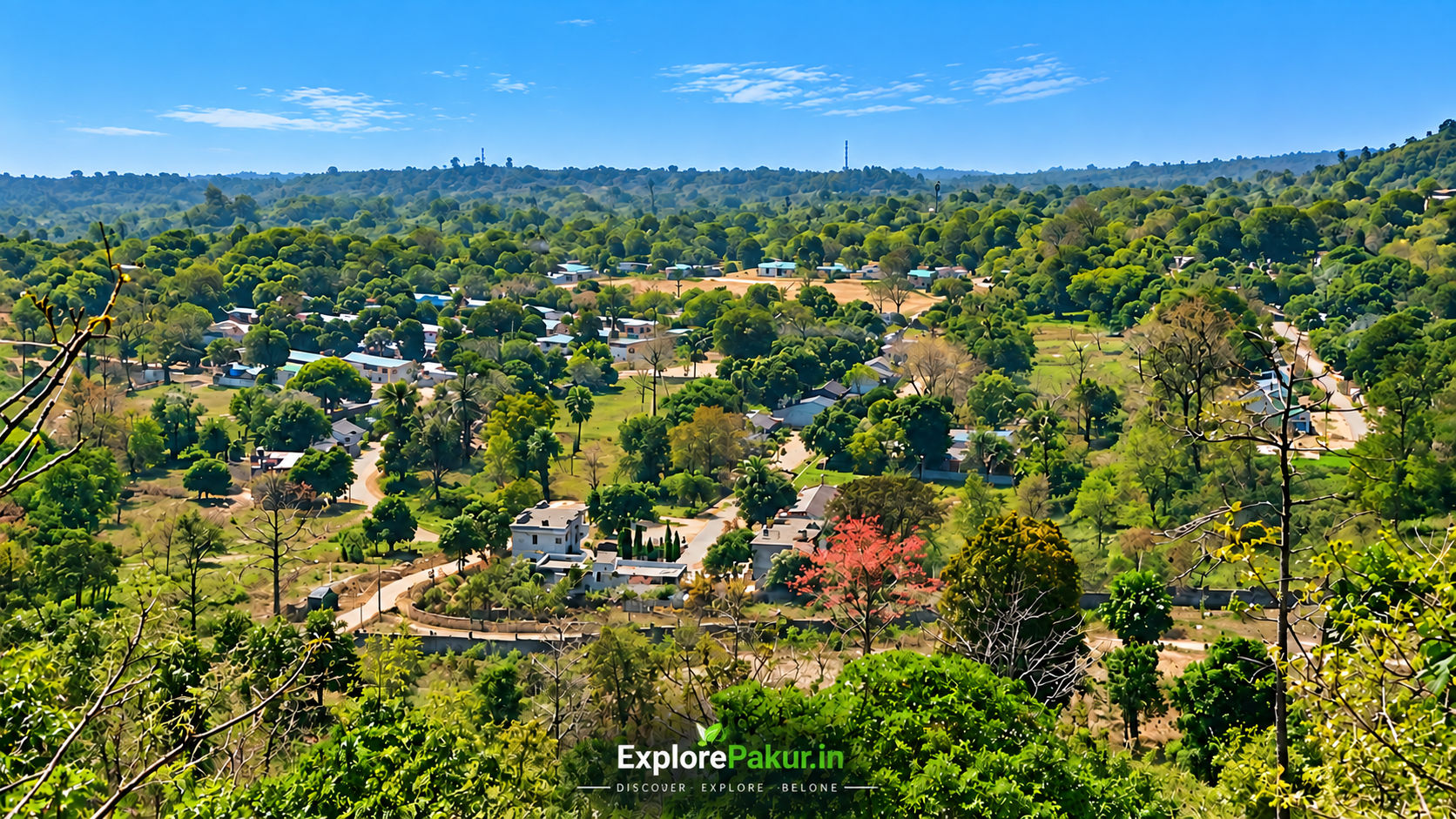
Singhashi Hilltop Peak & Shrine
An elevated peak in the Rajmahal hills offering panoramic vistas across Pakur and natural rock crevices for hiking.
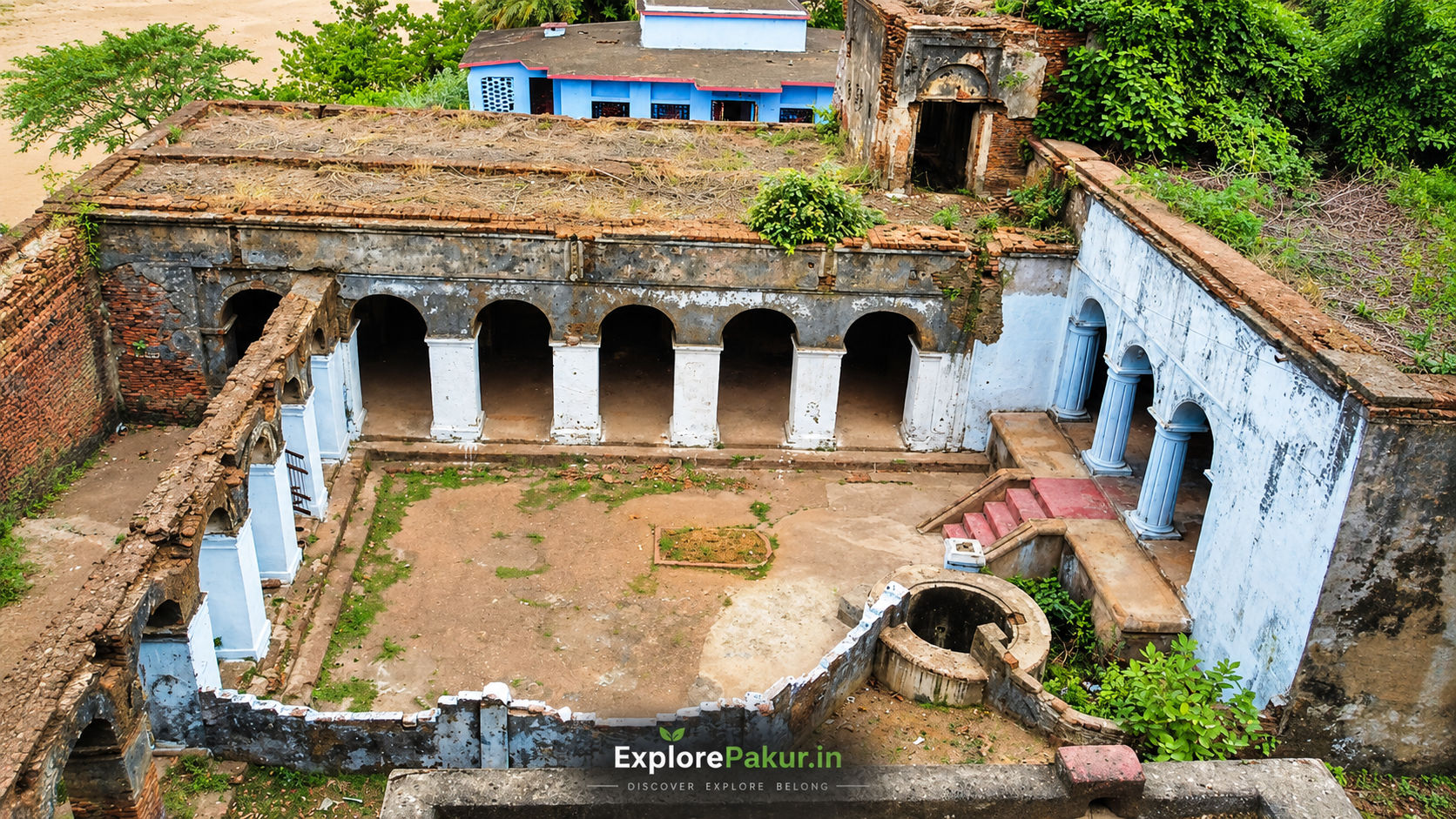
Maheshpur Rajbari Heritage Palace
The historical royal palace estate of the Maheshpur Rajas featuring grand colonial arches, courtyards, and royal temples.
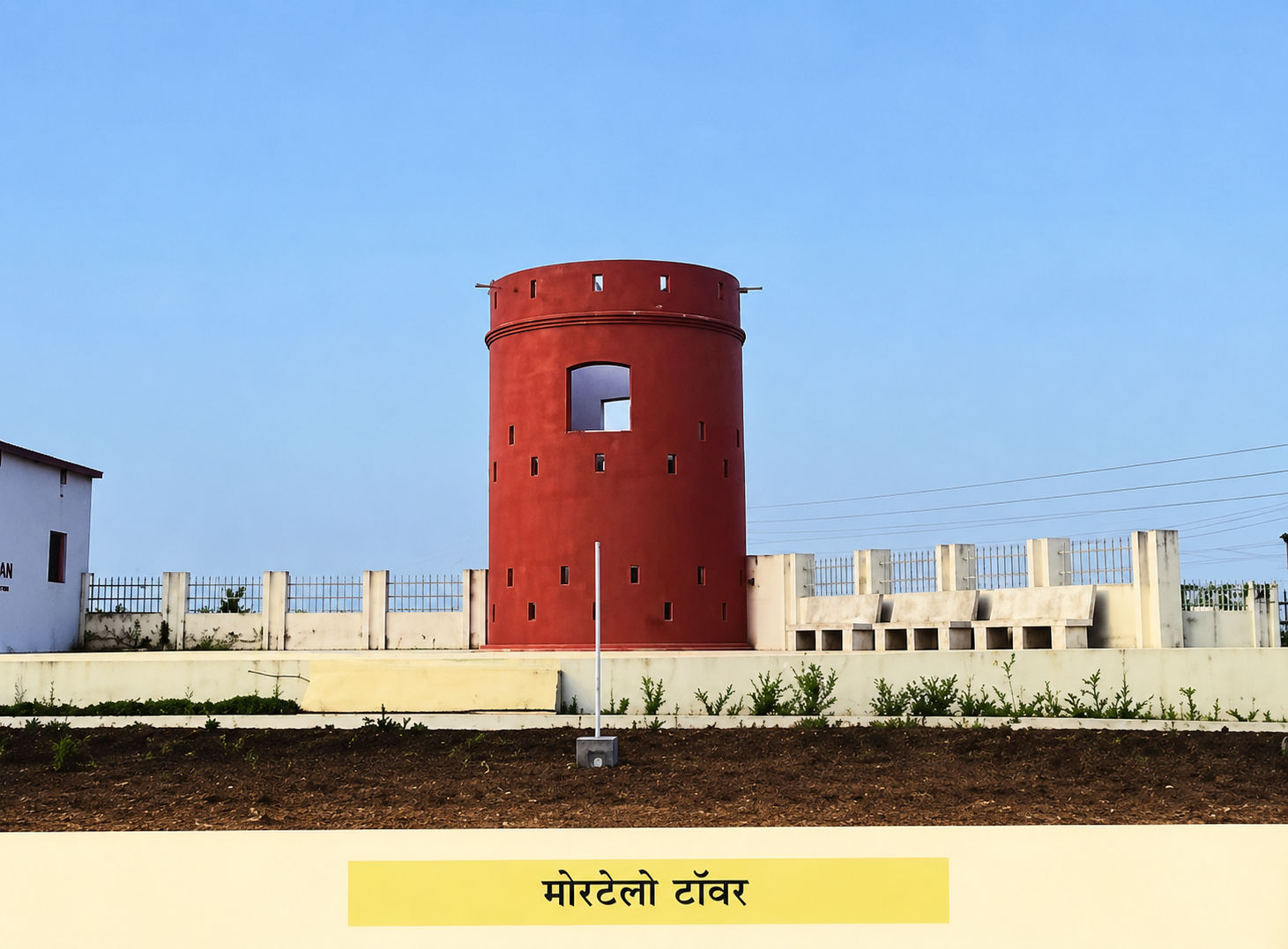
Martello Tower
An architectural landmark built in 1856 by the British Raj during the Santhal Hul rebellion, located in the heart of Pakur town.

Hiranpur Shill Durga Mandir
Revered spiritual hilltop temple perched upon ancient stone rocks in Hiranpur, famed for historic Durga Puja celebrations.
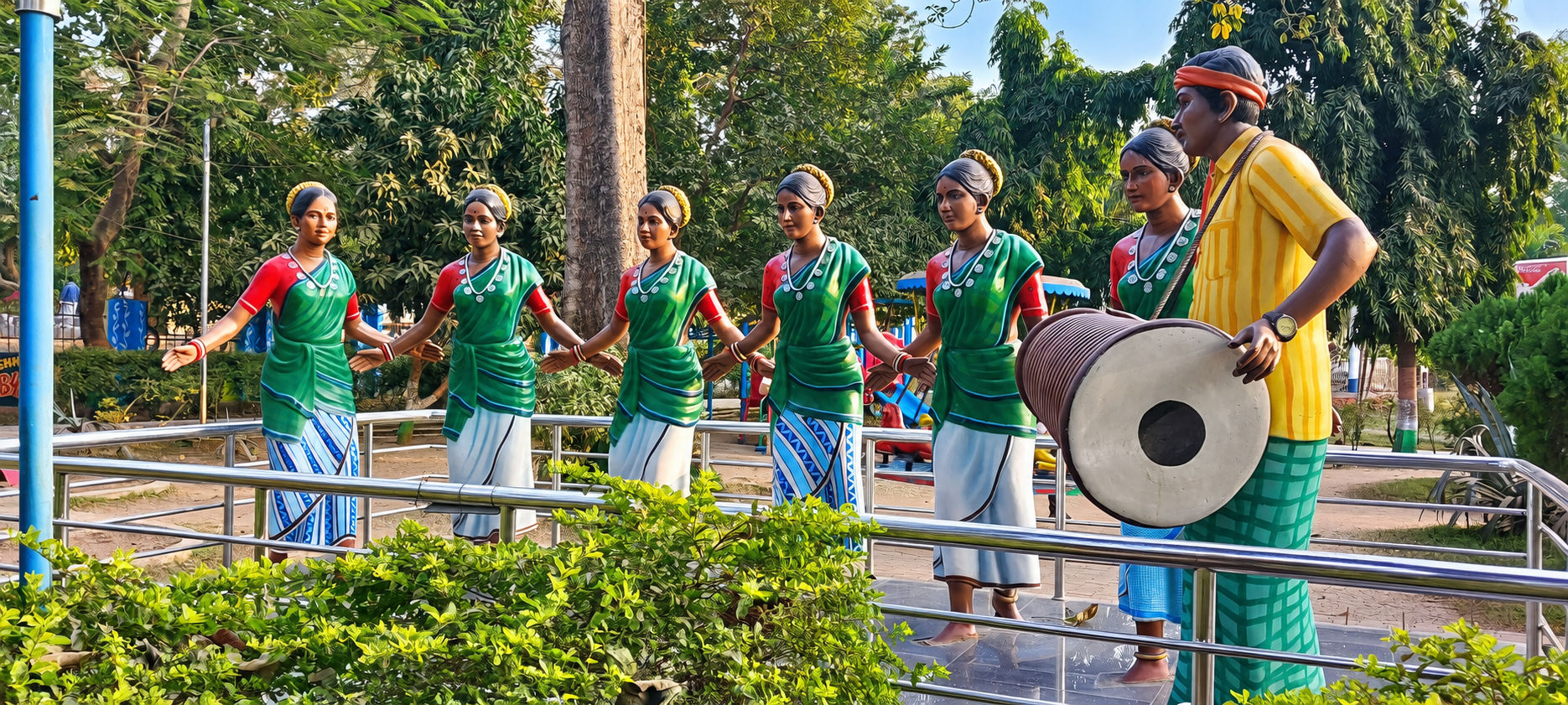
Sidho-Kanho Murmu Park
A premier civic green space and cultural memorial honoring the leaders of the 1855 Santhal Hul rebellion, featuring manicured flower gardens, walking pathways, and recreational grounds in central Pakur.
Living Traditions of the Santhal Pargana
Pakur is the ancient heartland of Santhal culture — home of legendary tribal heroes Sidho and Kanho Murmu, time-honored Sohrai art, and weekly village haats. Sacred groves have preserved nature and tradition for centuries.
1855 Santhal Hul
The Great Rebellion of Jharkhand
Essential Guide to Pakur, Jharkhand
Frequently asked questions about sightseeing, connectivity, and cultural heritage in Pakur district.
Q. What is Pakur famous for?
Pakur is renowned for its prehistoric Rajmahal basalt rock formations ("Black Stone City"), the historic 1856 Martello Tower commemorating the 1855 Santhal Rebellion, untouched cascading waterfalls like Lilatari and Amrapara, natural geothermal hot springs at Sidpur, and rich Santhal tribal folklore.
Q. What are the top places to visit in Pakur?
Key destinations include Singhashi Hilltop Peak (the highest peak in the district), Lilatari Waterfall, Kanchangarh Ancient Caves, Siddhu Kanhu Park & Martello Tower, Sidpur Natural Sulfur Hot Springs, Nityakalyani Shakti Temple, and the vibrant weekly tribal haats of Hiranpur and Littipara.
Q. How can tourists reach Pakur?
Pakur has a prominent Eastern Railway station (Station Code: PKR) with daily express trains from Kolkata (Howrah & Sealdah), Bhagalpur, Patna, and Ranchi. By road, state highways connect Pakur directly to Dumka (65 km), Sahibganj (75 km), and Deoghar Airport (135 km).
Q. When is the best time to visit Pakur?
The best season is from October to March. Autumn and winter offer pleasant, cool weather perfect for nature treks and outdoor exploration, with post-monsoon waterfalls flowing abundantly. November to January is also the season of traditional Santhal harvest festivities.
Planning an Eco-Expedition to Pakur?
Learn more about our sustainable tourism mission or connect directly with our regional helpdesk.